Building a custom home is exciting, but it can quickly become overwhelming when costs start piling up without a clear plan. Many people dive in with a dream but forget to map out how much everything will really cost—and that’s where budgets help turn ideas into reality. Knowing where your money goes, what expenses to expect, and how to keep surprises in check makes the whole process smoother and less stressful. In this guide, we’ll break down the financial side step-by-step, so you feel confident managing your budget from the very start.
Successful custom home budget planning involves defining your non-negotiable priorities early, preparing a detailed and realistic budget that includes land, home design including labor and materials, and contingency funds for unforeseen expenses. Maintaining open communication with experienced builders, regularly tracking expenditures, obtaining multiple bids, and documenting all agreements in writing are essential steps to manage costs effectively and avoid common overruns.
Break Down Your Custom Home Budget
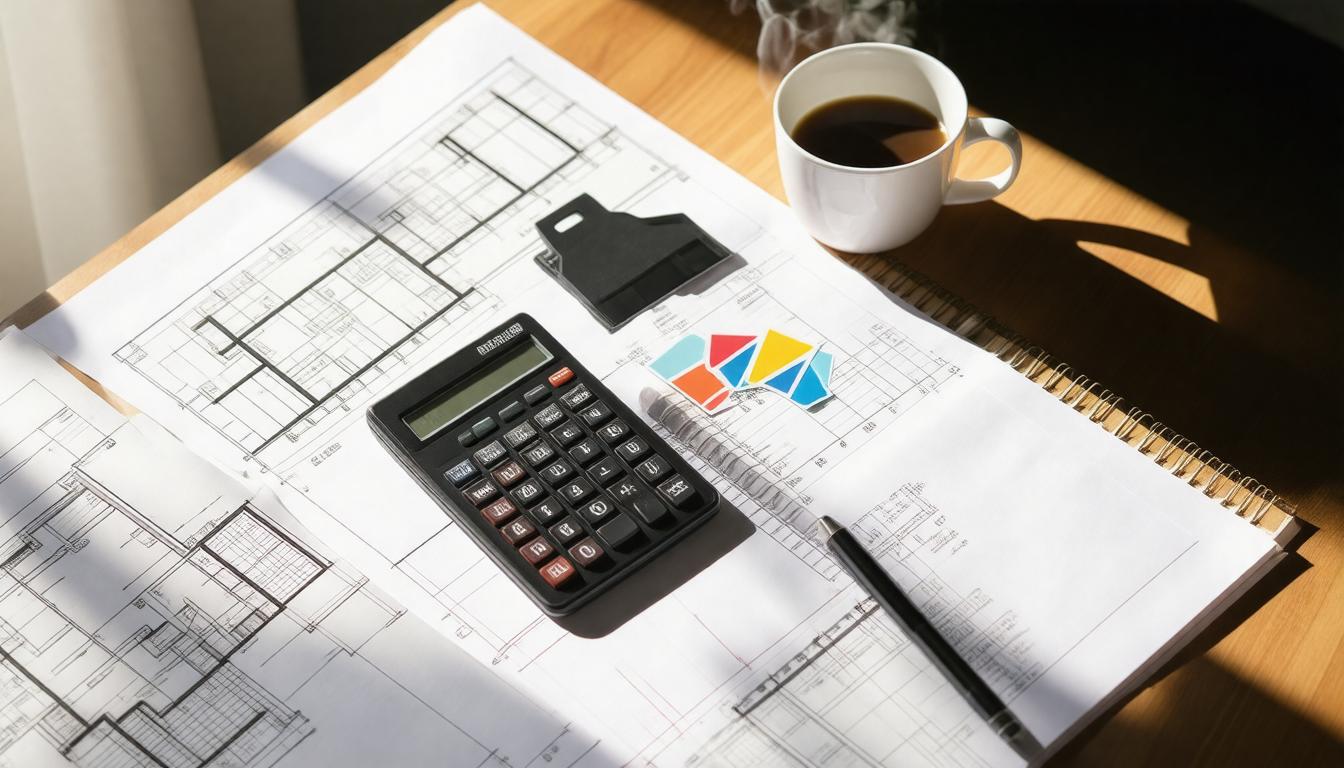
When planning your budget, it’s crucial to break down expenses into major categories. Think of this step like unpacking a suitcase—you need to see everything inside clearly to keep things organized. Land acquisition, plan design, permits, construction labor and materials, and landscaping all demand separate attention.
Each bucket has its own surprises that can quickly add up if overlooked. For example, in competitive markets, land alone can consume a lot of your budget, especially once you factor in site preparation costs like soil testing or grading. Knowing this early means you aren’t caught off guard later when bills arrive.
This detailed expense breakdown also helps you prioritize where your money should go based on what matters most to you. Are you dreaming of high-end kitchen appliances and premium flooring? That might mean tightening spending elsewhere.
It’s a balancing act between desires and pragmatism. Getting these categories mapped out also lets you identify “non-negotiable” versus “wish list” items — a distinction that proves essential as projects evolve and unexpected expenses crop up.
Plan Design: Impact on Budget
The design choices you make significantly influence cost beyond just square footage. While a simple rectangular footprint with a standard gable roof is often less expensive, opting for elaborate shapes, multiple rooflines, or custom finishes inevitably increases both labor hours and material needs.
For instance, intricate trim work or specialty windows may require skilled craftsmen charged at premium rates. By understanding how these factors drive cost escalation early on, you can make informed decisions about where complexity truly adds value versus where simpler solutions might suffice without sacrificing aesthetics or functionality.
Contingency Planning: Preparing for the Unexpected
No matter how meticulously planned, nearly every custom build confronts unforeseen expenses—from permit delays to soil issues uncovered after excavation.
Unexpected costs are like the unexpected potholes on an otherwise smooth road—they catch you off guard and have the power to throw your entire plan off track. In custom home building, these costs arise from a variety of sources.. Without anticipating these factors, even the most meticulous budget can unravel.
One of the most effective ways to safeguard your finances is by setting aside a dedicated contingency fund. This reserve acts as a financial shock absorber, cushioning unforeseen expenses such as late permit fees, unexpected site conditions like discovering poor soil or buried debris, or sudden spikes in steel or copper prices. Allocating this cushion isn’t just prudent—it’s essential because it acknowledges that no project follows a perfectly linear path.
A well-planned contingency fund covering at least 5-15% of your total budget acts as a financial safety net allowing you to address such surprises without derailing the entire project. Treat this reserve as an investment in stability rather than an optional extra; it often prevents costly stoppages and reduces stress for everyone involved.
Tracking and Communication
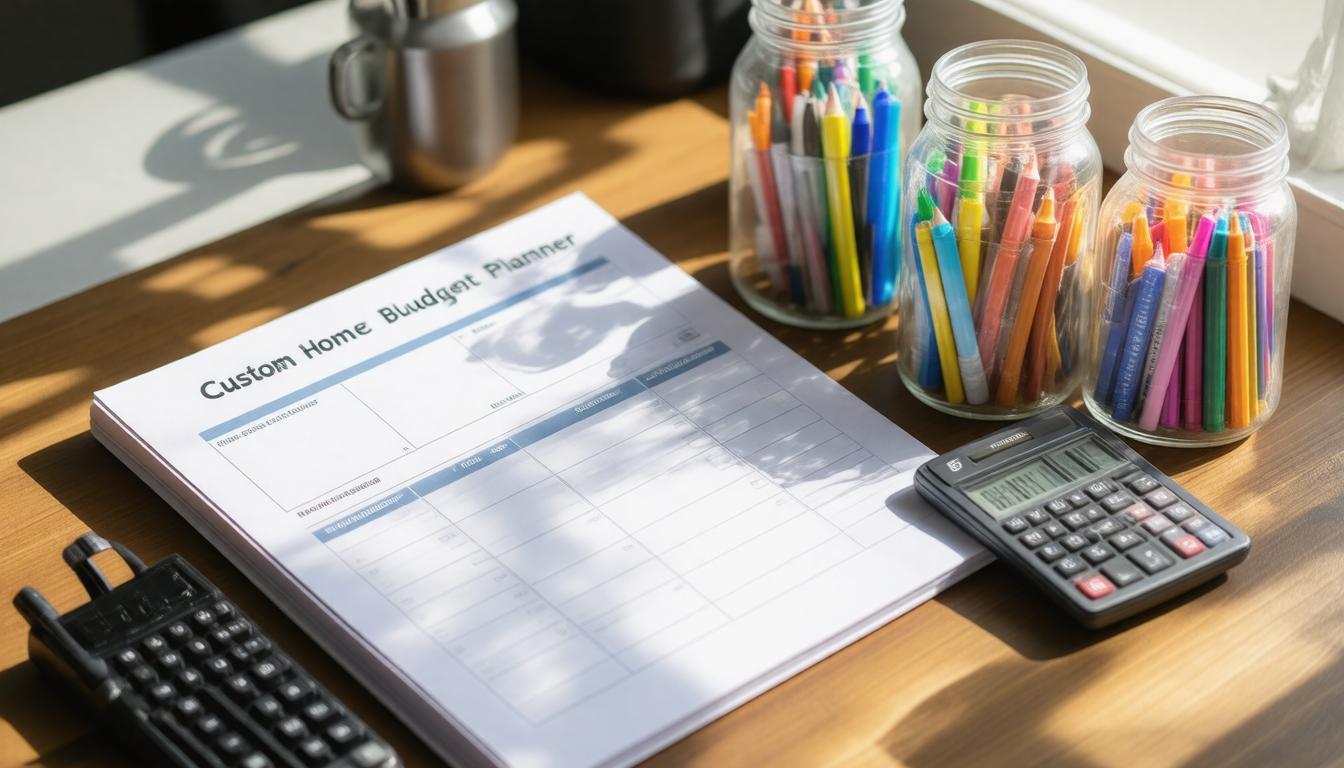
The journey from blueprint to livable home unfolds over months or even years—making regular budget reviews indispensable.
Regularly comparing actual expenditures with projected costs after each construction milestone keeps you aware of any deviations early enough to adapt plans accordingly.
Equally important is maintaining open lines of communication with your builder and architect regarding budget priorities or change orders.
Insist on documented agreements for any modifications so that costs remain transparent and controlled
By internalizing this structured approach to budgeting—not merely as accounting but as a strategic plan—you empower yourself to anticipate costs realistically while preserving flexibility when life inevitably throws curveballs at your build.
Prioritizing Quality Customizations
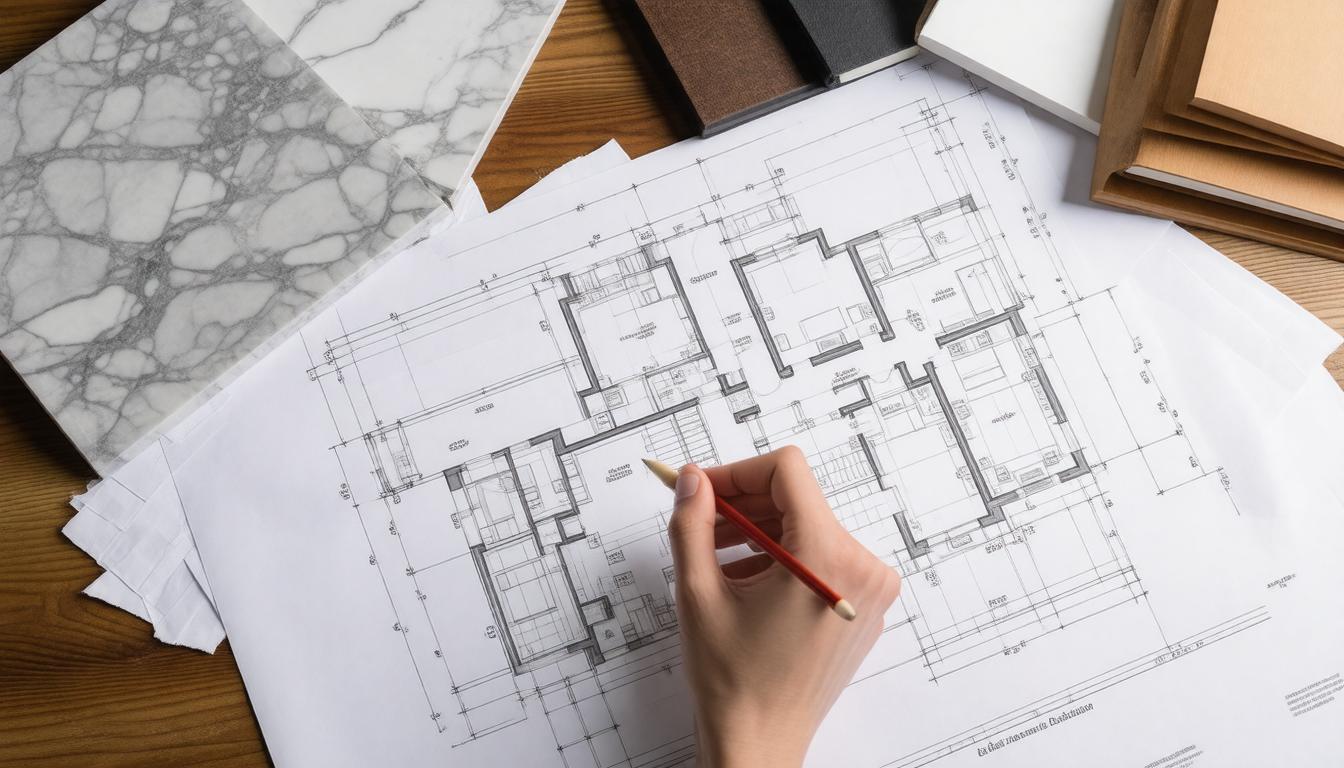
Investing in higher-quality customizations often raises your initial expenses, but the long-term payoff can be substantial—both in terms of durability and resale value. When you prioritize where to spend wisely, especially in high-traffic areas like kitchens and bathrooms, you create spaces that stand up to daily use and maintain their appeal for years.
Take your kitchen as an example: opting for robust, well-crafted cabinetry and durable countertops not only improves your day-to-day experience but also significantly boosts your home’s market worth. The same applies to bathroom fixtures and flooring materials, where enduring surfaces reduce wear-and-tear costs and avoid premature replacement.
While it might be tempting to splurge on every luxury feature during construction, the key lies in balancing priorities. Define your must-have elements—those components that affect daily living or offer substantial value—and distinguish them from wish-list items that could be postponed or scaled down without major loss.
Balancing quality against cost becomes essential; it allows you to plan financially with confidence while still crafting a home tailored to your lifestyle and long-term goals.
Tips for a Successful Custom Home Budget Plan
Regular dialogue with your builder ensures that everyone stays aligned on cost expectations and any emerging changes. Whether it’s clarifying questions about materials or updating timelines due to permit delays, this openness reduces surprises that could derail finances. In fact, establishing scheduled check-ins can make a dramatic difference in keeping your project smoothly on track.
Just as essential is documenting every agreement regarding costs. Written records with contract amendments become invaluable references when reconciling budgets or resolving disputes. Without thorough documentation, you risk ambiguity that may lead to misunderstandings or unplanned expenditures later on.
Careful budgeting is one of the most important steps in building a successful custom home. By planning for expected costs, preparing for unexpected expenses, and maintaining open communication with your builder, you can keep your project on track while creating a home that fits both your vision and your financial goals.